


How Digital Devices Impact Myopia and What You Can Do
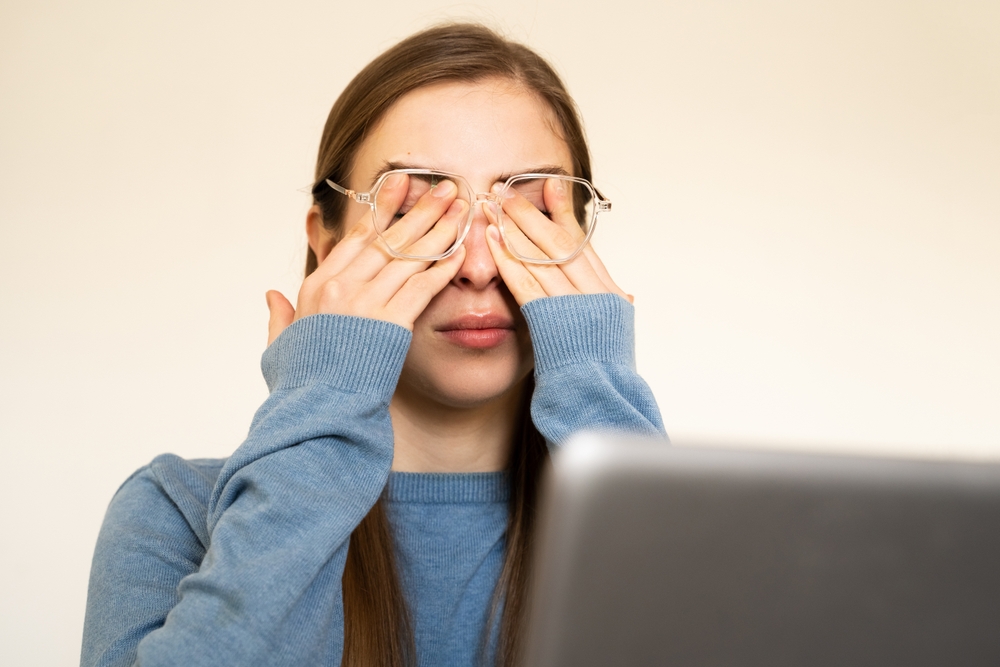
Digital devices are part of everyday life for many families, from schoolwork and reading to games, videos, and communication. While screens are not the only cause of myopia, also called nearsightedness, long hours of close-up focus may contribute to eye strain and may be connected to myopia progression in some children.
At DaVinci Eye Care, we help families in Warminster and Warrington, PA understand how daily visual habits can affect their child’s eyes and when it may be time to discuss myopia management.
What Is Myopia?
Myopia happens when the eye grows too long or the cornea is too curved, causing faraway objects to look blurry while close-up objects remain clearer. Children with myopia may squint, sit close to the TV, hold books or devices near their face, or complain that the board at school is hard to see.
Because myopia often develops and progresses during childhood, early eye exams are important. A stronger glasses prescription each year can be a sign that your child’s nearsightedness is increasing.
How Digital Devices May Affect Myopia
When children spend extended time on tablets, phones, computers, or handheld gaming systems, their eyes work hard to stay focused up close. This can lead to digital eye strain, tired eyes, headaches, dryness, and blurred vision after screen use.
Screen time can also reduce outdoor time, which is an important factor in healthy visual development. Research has shown that children who spend more time outdoors may have a lower risk of developing myopia. That does not mean your child has to avoid screens completely, but balance matters.
Signs Your Child May Need An Eye Exam
Parents may not always notice vision changes right away, especially if a child assumes blurry distance vision is normal. Schedule a pediatric eye exam if your child shows signs such as:
- Squinting to see faraway objects
- Sitting very close to screens or the board at school
- Frequent headaches or tired eyes
- Rubbing their eyes during or after screen use
- Holding books, tablets, or phones very close
- A recent drop in school performance or focus
- Complaints that distance vision looks blurry
Healthy Screen Habits That Can Help
Small changes at home can make screen use easier on your child’s eyes. Encourage regular breaks, good lighting, and a comfortable viewing distance. The 20-20-20 rule can help: every 20 minutes, look at something 20 feet away for 20 seconds.
It also helps to schedule outdoor play when possible, limit unnecessary recreational screen time, and remind children not to use devices too close to their face. These habits may not stop myopia on their own, but they can support healthier visual comfort.
Myopia Management Options
If your child’s myopia is progressing, regular glasses may help them see clearly, but they do not always address how quickly the prescription changes. Myopia management is designed to help slow progression and reduce the risk of higher myopia later in life.
At DaVinci Eye Care, we offer myopia control services for children and can recommend options based on your child’s age, prescription, eye health, and lifestyle. The right approach begins with a comprehensive eye exam and a clear understanding of how your child’s vision is changing over time.
Supporting Your Child’s Vision Long-Term
Digital devices are not going away, but the way children use them can make a difference. With routine eye exams, healthy screen habits, outdoor time, and personalized myopia management when needed, we can help protect your child’s vision as they grow.
Contact DaVinci Eye Care in Warminster, PA by calling (215) 443-8580 to schedule an eye exam at 600 Louis Dr #203-A, Warminster, PA 18974.


Our Services
Contact Info
Hours of Operation
- Monday 8:00 am - 4:00 pm
- Tuesday 10:00 am - 7:00 pm
- Wednesday 9:00 am - 1:00 pm
- Thursday 10:00 am - 7:00 pm
- Friday 8:00 am - 4:00 pm
- Saturday 9:00 am - 12:00 pm
*open 2 Saturdays per month* - Sunday Closed
© 2026 DaVinci Eye Care. All rights Reserved. Accessibility Statement - Privacy Policy - Terms and Conditions - Sitemap
Powered by:
