


Does Computer Vision Syndrome Go Away on Its Own?
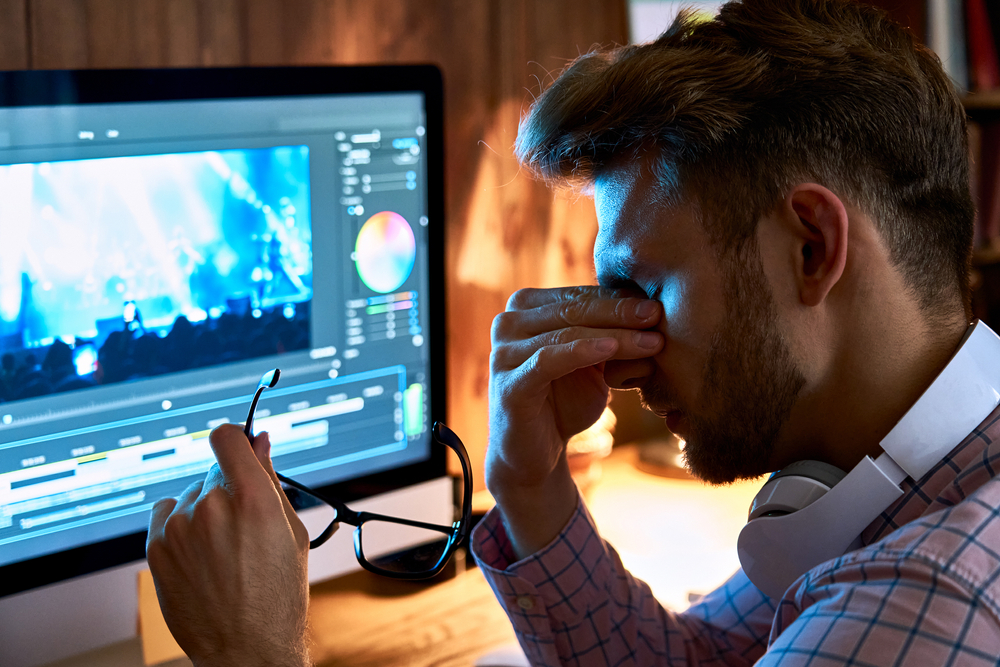
If your eyes feel tired, dry, or strained after a long day at the computer, you’re not alone. With so many people spending hours each day on screens for work, school, and entertainment, Computer Vision Syndrome (CVS) has become increasingly common. A question we hear often is whether computer vision syndrome goes away on its own - or if treatment is necessary.
The answer depends on the cause of your symptoms and how you manage your screen habits.
What Is Computer Vision Syndrome?
Computer Vision Syndrome refers to a group of eye- and vision-related symptoms caused by prolonged use of digital devices such as computers, tablets, and smartphones. Unlike reading a book, screen use places greater visual demands on the eyes due to glare, poor contrast, small text, and sustained focusing.
Common symptoms include:
Eye strain or fatigue
Dry, irritated, or burning eyes
Headaches
Blurry or fluctuating vision
Neck, shoulder, or back discomfort
Does Computer Vision Syndrome Go Away on Its Own?
In some cases, mild symptoms may improve with rest - such as stepping away from your screen or getting a good night’s sleep. However, for many people, computer vision syndrome does not fully resolve on its own. If the underlying causes aren’t addressed, symptoms often return or worsen over time.
Factors that can prevent CVS from going away include:
Uncorrected or outdated vision prescriptions
Poor workstation setup
Excessive screen glare
Reduced blinking during screen use
Undiagnosed dry eye disease
Simple Treatment Options That Can Help
The good news is that computer vision syndrome is highly treatable. Small changes can make a big difference in how your eyes feel throughout the day.
Reduce screen glare
Glare from overhead lighting or windows can force your eyes to work harder. Adjust lighting, use anti-glare screens, or reposition your monitor to minimize reflections.
Move and adjust your desk setup
Your computer screen should be about an arm’s length away and slightly below eye level. Proper posture and screen positioning help reduce both eye strain and muscle tension.
Follow the 20-20-20 rule
Every 20 minutes, take a 20-second break and look at something 20 feet away. This gives your eye muscles a chance to relax and helps prevent fatigue.
Upgrade your prescription
Even small changes in your vision prescription can significantly impact comfort during screen use. Specialized computer or occupational lenses may be recommended to reduce strain.
Why a Comprehensive Eye Exam Matters
If computer vision syndrome symptoms are persistent, a comprehensive eye exam is essential. An eye exam can identify:
Vision problems that contribute to eye strain
The need for updated or task-specific eyewear
Dry eye conditions that may be worsening screen-related discomfort
Overall eye health concerns that could affect visual comfort
Treating CVS isn’t just about relieving symptoms - it’s about addressing the root cause.
See the Difference a Comprehensive Eye Exam Can Make
While mild computer vision syndrome symptoms may temporarily improve with rest, they often don’t go away completely without proper care. Adjusting your workstation, following healthy screen habits, and ensuring your vision prescription is up to date can make a meaningful difference. Most importantly, a comprehensive eye exam can help determine why your symptoms are occurring and how to treat them effectively.
If you’re experiencing ongoing eye strain, headaches, or blurred vision during computer use, schedule a comprehensive eye exam at DaVinci Eye Care. Contact our office in Warminster, Pennsylvania, by call (215) 443-8580 to book an appointment today.


Our Services
Contact Info
Hours of Operation
- Monday 8:00 am - 4:00 pm
- Tuesday 10:00 am - 7:00 pm
- Wednesday 9:00 am - 1:00 pm
- Thursday 10:00 am - 7:00 pm
- Friday 8:00 am - 4:00 pm
- Saturday 9:00 am - 12:00 pm
*open 2 Saturdays per month* - Sunday Closed
© 2026 DaVinci Eye Care. All rights Reserved. Accessibility Statement - Privacy Policy - Terms and Conditions - Sitemap
Powered by:
